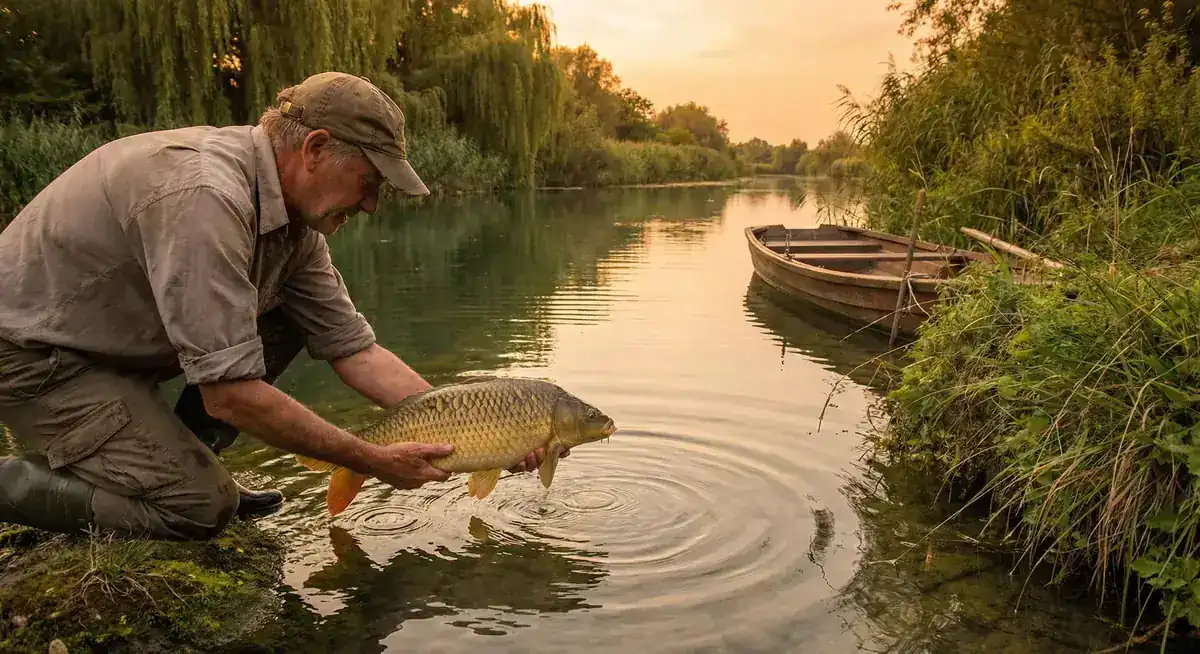
Why practise no-kill?
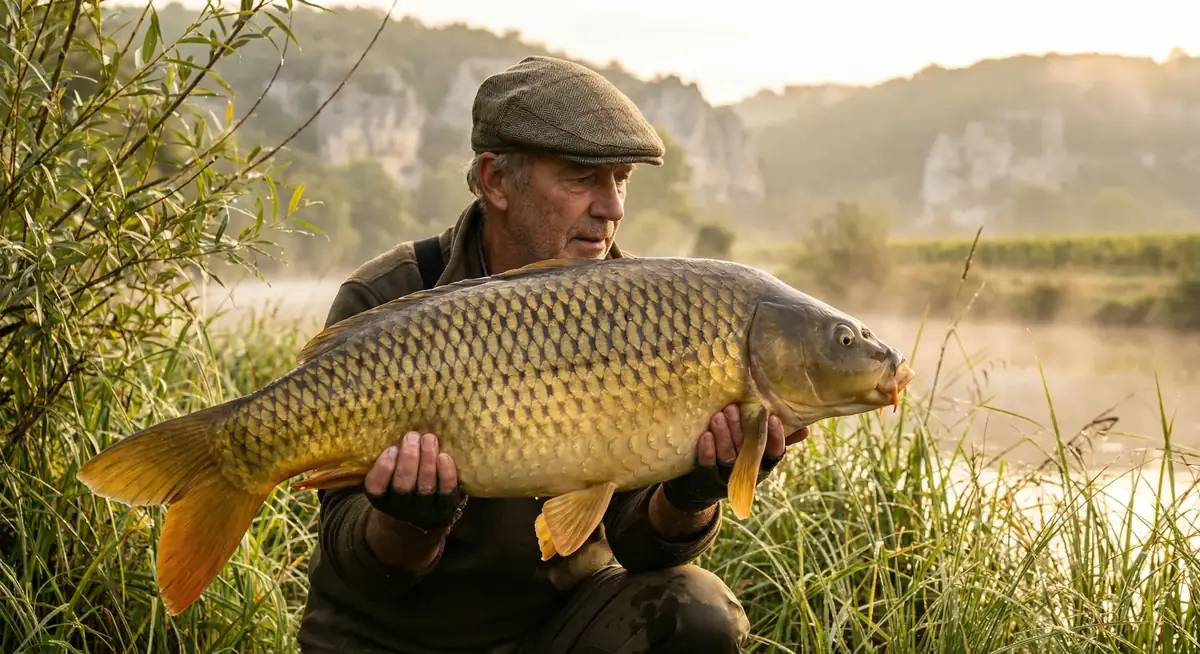
No-kill is not just a trend: it is a philosophy that preserves fish stocks for future generations. By releasing your catches, you allow trophy fish to stay in the water and continue to reproduce. A big fish can reproduce for over 30 years and thus help maintain a healthy population. No-kill practice improves venue quality: fish stay bigger, more numerous and in better health. It is also a question of sport fishing ethics: the pleasure lies in the fight and the capture, not in the death of the fish. More and more anglers are adopting this responsible approach, aware that preserving ecosystems depends on respecting all living things.
How to handle a fish properly
Correct handling is essential to ensure the fish survives after release. Here are the six golden rules:
- 1Wet hands: Always wet your hands before touching a fish so as not to damage the protective mucus.
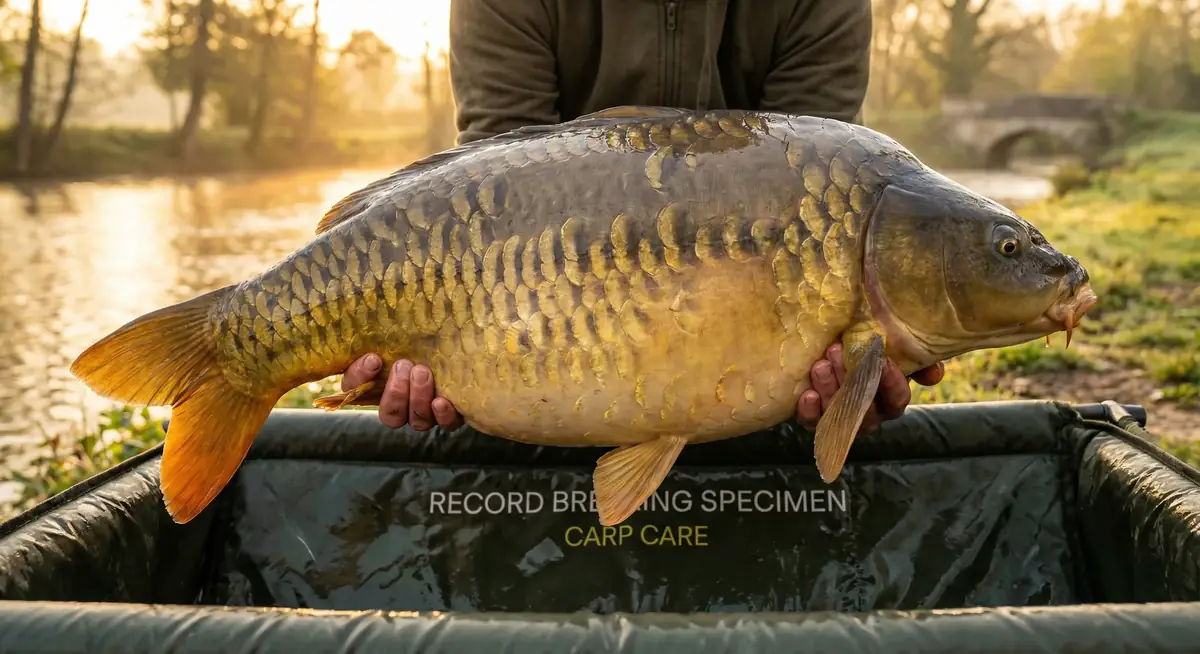
- 2Unhooking mat: Mandatory for carp and big fish to place the fish on the ground without injuring it.
- 3Unhook quickly: Use a disgorger and barbless pliers to remove the hook in seconds.
- 4Keep in water: Keep the fish in water as much as possible during handling.
- 5Quick photo: Maximum 30 seconds out of water for photos then put back immediately.
- 6Reoxygenate: Hold the fish in the current head facing the flow until it swims away on its own.
No-kill angler tackle
Suitable tackle makes release in the best conditions easier:
- 1Barbless hooks: Quick unhooking without injury.
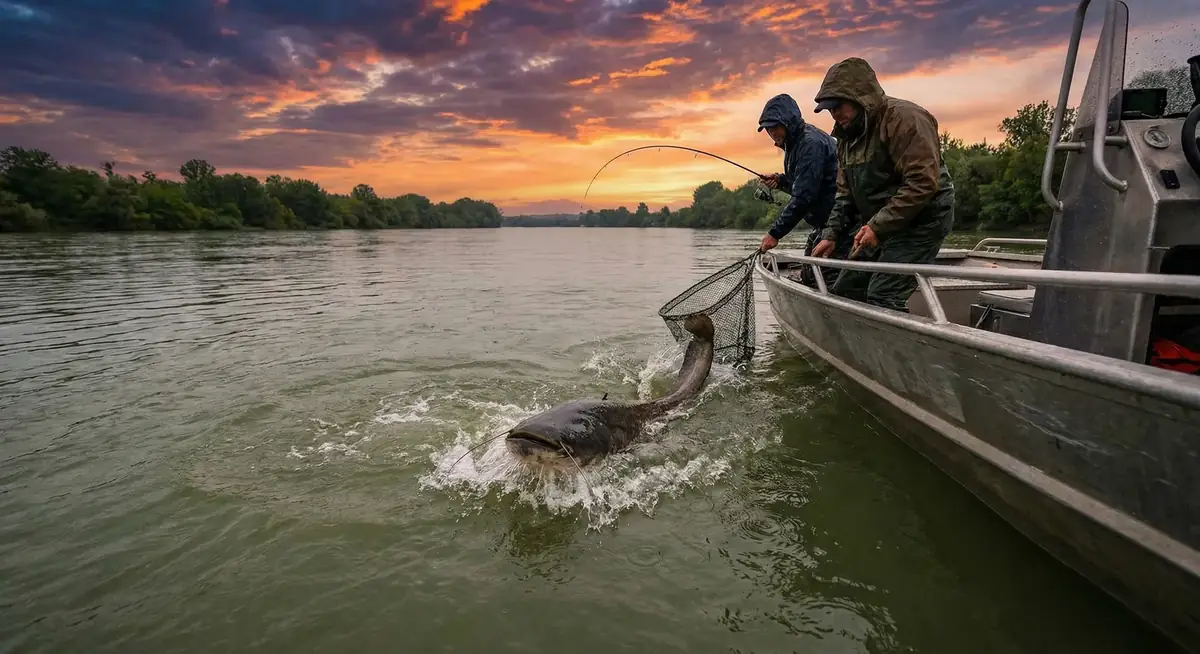
- 2Oversized landing net: Micro-mesh net to avoid damaging fins.
- 3Padded unhooking mat: Essential for carp and catfish.
- 4Antiseptic: To treat minor skin wounds before release.
- 5Bucket or basin: Keep the fish wet during handling.
No-kill venues in France
More and more dedicated no-kill venues are appearing in France. AAPPMA now impose no-kill on certain strategic sectors to preserve populations. Large carp lakes are often fully no-kill, guaranteeing fine-sized fish in perfect health. It is essential to check local regulations before each session: each venue has its specific rules. The Lot at Aiguillon practises encouraged no-kill on the sector, where anglers are invited to release their catches to maintain the exceptional fishing quality of the Lot–Garonne confluence. This positive dynamic benefits everyone: anglers, fish and ecosystem.
Mistakes that kill a fish after release
Four mistakes to avoid at all costs:
A fish badly released can die in the hours that follow even if it seems to swim away normally. Reoxygenation is the crucial final step.
- 1Handling with dry hands: Destroys the mucus that protects against bacteria and parasites.
- 2Placing on concrete or dry grass: Burns and infections.
- 3Keeping out of water too long: Beyond 60 seconds risk of asphyxiation.
- 4Releasing an exhausted fish without reoxygenation: The fish sinks and dies from lack of oxygen.
No-kill at Gîte du Martin Pêcheur
The no-kill philosophy is shared by Hamid, owner of the gîte. Anglers are invited to bring their own unhooking mat, landing net and antiseptic. Respect for the fish is a core value: the magnificent fish of the Lot stay in full health thanks to these responsible practices. Every angler is invited to adopt these gestures to preserve the resource and guarantee memorable sessions for years to come.